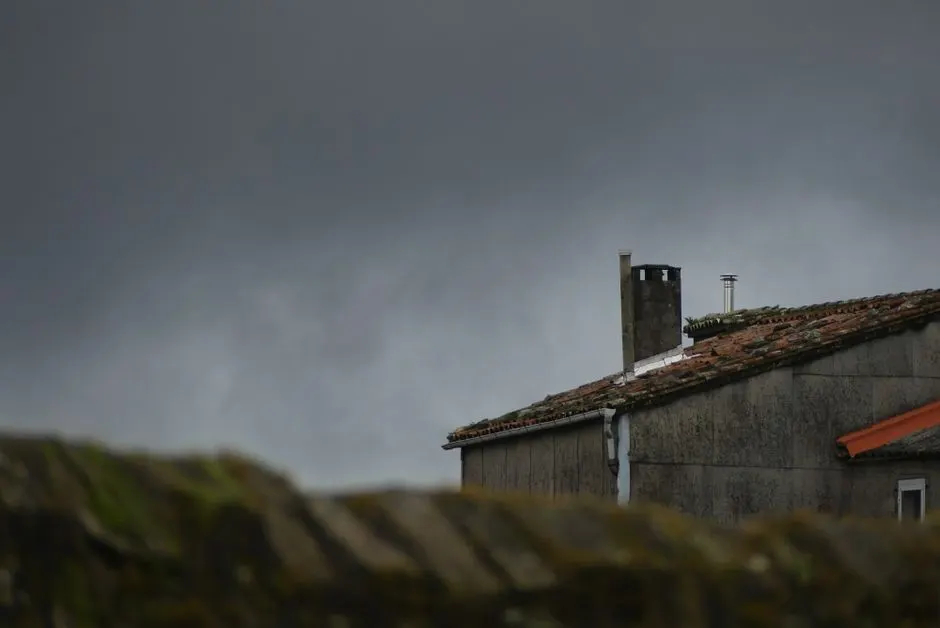
You should maintain your chimney in Freehold at least twice a year - a full inspection and sweep in the fall before burning season, and a visual check in the spring after winter. A Freehold homeowner's guide to chimney maintenance through the seasons is really a schedule: what to look at in October, what to watch in January, what to fix in April, and what to book in July.
We work on chimneys across Monmouth County every week, and the homes that avoid big repair bills are the ones that follow that rhythm. This guide walks through each season, what it costs in 2026, and the mistakes we see most often.
Why Freehold chimneys take a beating year-round
Freehold chimneys face a wider temperature swing than almost anywhere in New Jersey. A masonry chimney in Freehold can see 95°F in July and single digits in January, and that freeze-thaw cycle is what destroys brick and mortar.
Water gets into hairline cracks in the mortar joints, freezes overnight, expands about 9%, and pushes the brick apart. Do that 40 or 50 times in a winter and a joint that was tight in October is a crumbly gap by March. That is why Chimney masonry repair Freehold is one of our most common calls - not because Freehold chimneys are badly built, but because the climate is hard on them.
Add in the fact that many Freehold homes were built between 1950 and 1990, with clay tile liners that were never meant to handle modern high-efficiency wood stoves or gas appliances, and you have a system that needs attention every year.
Fall: the season that matters most
Fall is when you should book your annual chimney inspection in Freehold, ideally in September or early October before the first cold snap.
Here is what we check on a fall visit:
- Creosote level - anything over 1/8 inch needs sweeping before you burn.
- Flue liner condition - cracks, gaps, or missing mortar joints between tiles.
- Damper operation - it should open and close smoothly and seal when shut.
- Chimney cap and crown - cracks, rust, or missing mesh.
- Flashing - the metal where the chimney meets the roof, which is the number one leak point.
- Firebox and smoke chamber - loose brick, deteriorated mortar, or gaps behind the damper.
If you have not had the flue looked at in a few years, a Chimney cleaning service Freehold visit will tell you whether you are dealing with light soot or glazed creosote that needs more aggressive removal. Glazed creosote - the shiny, tar-like stuff - is what causes chimney fires, and it does not come off with a wire brush alone.
Fall is also the time to test your smoke and carbon monoxide detectors. A blocked flue pushes CO into the house, and that is the failure mode you never want to discover at 2 a.m.
Winter: burn smart and watch for ice
Winter chimney maintenance in Freehold is mostly about how you burn and what you watch for from the ground.
Burn dry wood - under 20% moisture content. Green or wet wood creates far more creosote and far less heat. If you buy firewood, get it split and stacked by early summer so it has six months to dry.
Never burn cardboard, wrapping paper, or construction scraps. They burn hot and short, and they leave sticky deposits in the flue.
From outside, watch for these signs after a storm:
- White staining on the brick - that is efflorescence, and it means water is moving through the masonry.
- Ice or snow clinging to one side of the chimney - usually a sign of a leak or poor flashing.
- Spalling brick - faces flaking off and landing on the roof or ground.
- A chimney that looks like it is leaning - that is a foundation or footing problem, not a cosmetic one.
If you see water inside the firebox or rust on the damper, you have a Chimney leak repair Freehold issue that will get worse with every freeze. We can usually trace it to the flashing, the crown, or missing cap in a single visit.
Spring: repair what winter exposed
Spring is the season to fix what winter broke. Once the freeze-thaw cycle stops, we can actually see the damage and repair it before the summer rains find every crack.
Walk around the chimney in April and look at the mortar joints. If you can scrape mortar out with a screwdriver or a key, it is soft and needs repointing. That is Chimney tuckpointing Freehold work - grinding out the old mortar to about 3/4 inch and packing in new mortar that matches the original.
Spring is also when we recommend Chimney waterproofing Freehold. A breathable water repellent applied to the brick stops liquid water from soaking in while still letting the masonry dry out from the inside. Done right, it buys you years between repointing jobs.
Check the crown - the concrete cap on top of the chimney. Hairline cracks are normal. Cracks wider than 1/8 inch, or a crown that is separating from the flue, need Chimney crown repair Freehold before another winter.
Summer: the best time to book work
Summer is the best time to schedule chimney work in Freehold because nobody is using the fireplace and our schedule is open.
If you know you need a liner, a rebuild, or a new cap, July and August are when we can get it done without you losing a single night of fires. Come October, everyone in Monmouth County wants an appointment in the same three-week window.
Summer is also when we install or replace caps. A Chimney cap installation Freehold job takes a couple of hours and keeps rain, squirrels, and birds out of the flue year-round. If your cap is rusted through or missing mesh, this is the fix.
If you are thinking about a liner upgrade - say, because you switched to a gas insert or a high-efficiency wood stove - summer is the time to do it. A Chimney relining Freehold project usually takes one day for a straightforward flue and gives you a stainless liner with a lifetime warranty on the steel.
What does chimney maintenance cost in Freehold in 2026?
Typical 2026 pricing in the Freehold area runs $150 to $300 for a standard chimney sweep and inspection, $300 to $600 for a level 2 inspection with a camera, and $1,200 to $3,500 for a full stainless liner install.
Here is a rough breakdown of what we see most often:
- Chimney sweep + level 1 inspection: $150-$300
- Level 2 inspection (camera, accessible attic/roof): $300-$600
- Chimney cap installation: $250-$600 depending on size and material
- Crown repair or rebuild: $400-$1,200
- Tuckpointing (spot repairs): $500-$1,500
- Stainless steel liner (full length): $1,200-$3,500
- Chimney rebuild above roofline: $3,000-$8,000+
Prices vary with chimney height, roof pitch, and how much staging we need. A one-story ranch with a straight flue is at the low end. A two-story colonial with a steep roof and a chimney on the far side of the ridge is at the high end.
Common mistakes Freehold homeowners make
The most expensive chimney mistakes we see in Freehold are all avoidable.
- Skipping the annual inspection because "we hardly use the fireplace." A gas furnace, water heater, or boiler vents through that same flue. If the liner fails, you have a CO problem whether you burn wood or not.
- Burning wet wood. Anything over 20% moisture content creates creosote fast. Buy your wood a year ahead.
- Ignoring a cracked crown. A $400 crown repair in May becomes a $4,000 rebuild in October once water has been running into the chimney for a full summer.
- Painting over spalling brick. Paint traps moisture and accelerates the damage. Brick needs to breathe.
- Letting a "handyman" sweep the flue. A proper sweep uses the right brushes for the liner type and knows what to look for. A wrong-size brush can crack clay tiles.
- Not checking the flashing after a roof replacement. Roofers rarely redo chimney flashing correctly, and that is where most leaks start.
When to call a professional
Call a professional when you see any of these: water in the firebox, a damper that will not seal, spalling brick, a chimney that smells like creosote on warm days, or a flue you have not had inspected in more than two years.
We handle all of it. Voltira Labs is a local chimney repair company serving Freehold and the surrounding Monmouth County towns, and we do the whole job - inspection, sweep, masonry, liners, caps, and waterproofing. If you want a straight answer about whether your chimney needs a $200 sweep or a $3,000 rebuild, we will tell you which one and why.
If you would rather start with a look at our full range of services, our Chimney repair team covers everything from a single cracked brick to a full rebuild.
Frequently Asked Questions
How often should I maintain my chimney in Freehold?
Twice a year: a full inspection and sweep in the fall before burning season, and a visual check in the spring. If you burn more than one cord of wood a year, or use the fireplace weekly, book the sweep every fall without exception.
What chimney maintenance is needed each season in Freehold New Jersey?
Fall: sweep, inspect, test detectors. Winter: burn dry wood, watch for ice and staining. Spring: repair mortar, crown, and flashing. Summer: book liners, caps, and rebuilds while schedules are open and weather is dry.
Who offers chimney maintenance near me in Freehold?
Voltira Labs serves Freehold and the surrounding Monmouth County area with inspection, sweeping, masonry repair, relining, and waterproofing. We are local, we work on the same housing stock every week, and we quote the job before we start.
When should I schedule chimney sweep in Freehold?
Book your chimney sweep in Freehold in September or early October, before the first cold snap. If you miss that window, call anyway - we can usually fit a sweep in within a week or two, even in November.
How do I know if my chimney needs repair or just a cleaning?
A cleaning handles soot and creosote. Repair is needed when you see cracked or spalling brick, a damaged crown, a rusted cap, water in the firebox, or a flue liner with gaps. A level 2 inspection with a camera tells you which one you are facing.
Get help with Chimney repair in Freehold
If your chimney has not been looked at since last winter, now is the time to book it - before the fall rush fills our schedule. Voltira Labs handles chimney maintenance, repair, and relining for homeowners across Freehold and Monmouth County.
Call (844) 803-5147 to schedule your inspection or sweep.