Chimney waterproofing in Freehold, New Jersey that stops leaks for good
Vapor-permeable chimney water repellent in Freehold, applied by CSIA-certified hands
Chimney waterproofing in Freehold, New Jersey is the one exterior treatment that keeps freeze-thaw cycles from tearing your brick apart. We brush, wash, and saturate the masonry with a breathable chimney water repellent in Freehold that blocks rain while letting the wall dry from the inside. If your chimney crown is cracked or your flashing has pulled loose, we fix that first, then seal. Most homes are done in a single afternoon.
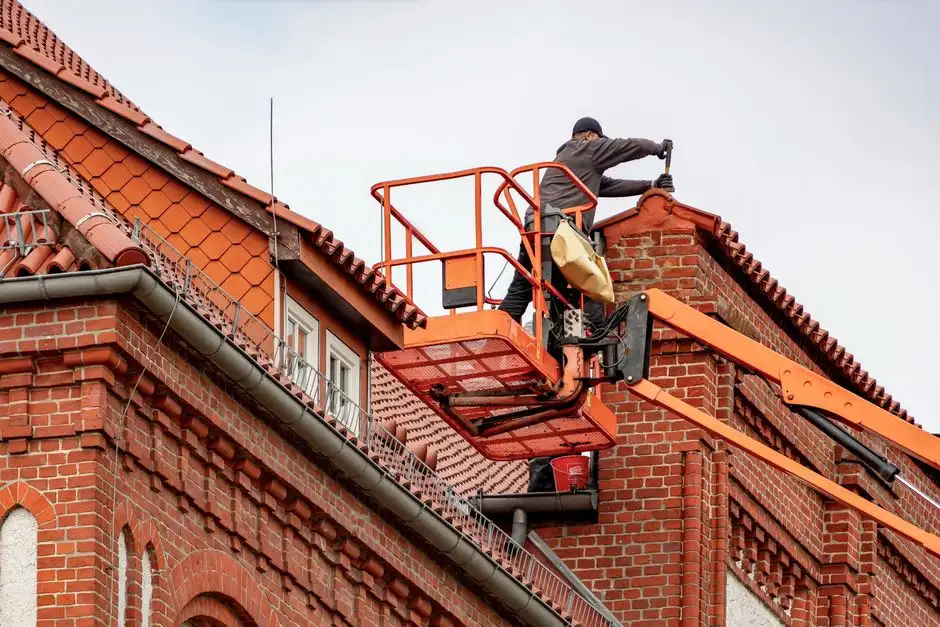
What Chimney waterproofing in Freehold, New Jersey actually does
Chimney waterproofing in Freehold, New Jersey is a masonry treatment that soaks a vapor-permeable water repellent into the brick, mortar joints, and crown so rain beads off instead of soaking in. We start with a chimney brush and HEPA vacuum to strip creosote and grit, then wash the stack and let it dry. Only then do we spray or brush the repellent on, usually two coats, back-brushed into every joint. The brick still breathes, so moisture already inside can escape instead of pushing the face off the wall.
Freehold sits in a freeze-thaw belt where water gets into brick in November and splits it open by February. That is why we see so much spalling brick and cracked crown work around Freehold Borough and Freehold Township, especially on the 1950s-to-1980s brick ranches that dominate the older blocks. If you have been searching for a chimney water repellent near me Freehold, the real fix is stopping absorption before winter, not patching after the first chip falls.
Why Freehold homeowners seal their chimneys
Water is the single biggest destroyer of masonry chimneys in New Jersey, and it works slowly enough that most people miss it until a repair bill arrives. Sealing changes that math.
Stops spalling brick
Brick that absorbs water and freezes will shed its face within two or three winters. A breathable chimney water repellent Freehold New Jersey treatment keeps saturation below the threshold where ice expansion does damage, which is why we see sealed stacks hold their surface for a decade or more.
Ends interior leak stains
Most chimney leak complaints in Freehold trace back to absorption through the brick and crown, not the flashing. Sealing the masonry closes that path. We still inspect flashing and the crown first, because a repellent will not fix a gap that is already letting water pour in.
Protects mortar joints
Mortar is softer than brick and gives up first. Once joints erode, tuckpointing mortar has to be raked out and replaced. Sealing slows that erosion dramatically and buys years between repointing cycles, which is far cheaper than rebuilding a stack.
Extends chimney life
A sealed chimney in Freehold routinely outlasts an unsealed one by 10 to 15 years before major masonry work is needed. For the cost of one treatment, you push back the day you have to talk about a rebuild. That is the whole argument.
How our chimney sealing process works
Every job follows the same five steps, whether it is a simple ranch stack in West Freehold or a tall two-flue colonial chimney near Freehold Center. Here is exactly what happens from the moment we pull up.
Inspection first
We run a video inspection camera down the flue and walk the roof to check the crown, flashing, cap, and damper. If we find a cracked crown or damaged flashing, we tell you before any sealer goes on. Sealing over a broken crown is a waste of your money, and we will not do it.
Cleaning the masonry
A chimney brush on chimney rods scrubs the exterior, and a HEPA vacuum captures the dust so it does not end up in your gutters or on your car. We wash the stack with a mild detergent solution and let it dry completely, usually 24 to 48 hours depending on humidity.
Repairs and prep
Cracked crown mix gets re-flashed and re-formed with a masonry trowel and jointing tool. Loose mortar gets repointed with refractory mortar. We mask the roof, siding, and windows with drop cloths so overspray never becomes your problem.
Applying the repellent
We apply the water repellent with a low-pressure sprayer and back-brush it into the joints by hand, two full coats, saturating until the brick stops absorbing. A typical Freehold chimney takes two to four hours of application time. You will see the color darken slightly, then return to normal as it cures.
Final check and walkthrough
We test water beading on several faces of the stack, confirm the damper and cap are seated, and walk you around the finished work. You get a written summary of what was sealed, what was repaired, and when to schedule the next inspection. No surprises, no upsell at the door.
Five years of sealing New Jersey chimneys
Voltira Labs has been waterproofing chimneys in Freehold and across Monmouth County since 2021. Our technicians hold CSIA Certified Chimney Sweep credentials and NFI certification, and we work to NFPA 211 and IRC chimney code on every job. That means we know the difference between a stack that needs sealing and one that needs a stainless steel liner before anything else happens. We have treated hundreds of Freehold-area chimneys, from single-flue ranches in Raintree to tall masonry stacks in Freehold Estates, and we carry a New Jersey HIC license plus full OSHA safety training for roof work.
- CSIA Certified Chimney Sweep technicians on every waterproofing job, no subcontractors.
- NFI Certified staff who understand flue, damper, and liner interactions with exterior sealing.
- NCSG member company following NFPA 211 and IRC chimney code standards.
- New Jersey HIC licensed and OSHA-trained for safe roof and ladder access.
- Five years serving Freehold, from Freehold Borough to Colts Neck Crossing.
Why Freehold homeowners pick our chimney waterproofing
Plenty of outfits will spray sealer on a chimney and cash the check. We diagnose first, repair what is actually broken, and only then seal. That order matters, and it is why our callbacks are rare.
We diagnose before we seal
Every job starts with a video inspection camera run and a roof-level look at the crown, flashing, and cap. If we find a cracked crown or damaged flashing, we quote the repair before the waterproofing. Sealing a chimney that is already leaking from a failed crown just traps the problem.
Breathable repellents only
We use vapor-permeable products from ChimneySaver and SaverSystems, never film-forming sealers that trap moisture and accelerate spalling. That distinction is the difference between a treatment that helps for 10 years and one that damages your brick in three.
Affordable chimney waterproofing in Freehold New Jersey
Most single-flue residential chimneys in Freehold fall in the $350 to $900 range for cleaning, prep, and two-coat sealing, with repairs quoted separately. We give you the number upfront, and we do not add line items after the fact. You approve the work before we start.
Same day chimney sealant Freehold service
When water is actively coming in, we move fast. Call before noon and we can often get a technician out the same day for an assessment and emergency tarping, with the full sealing scheduled as soon as the masonry is dry enough to accept the repellent.
What our chimney waterproofing service includes
Every waterproofing job covers the full exterior treatment plus the prep work that makes it last. Repairs to the crown, flashing, or masonry are quoted separately so you always know what you are paying for and why.
What's Included
Full exterior cleaning
Chimney brush and chimney rods scrub the stack, and a HEPA vacuum captures the debris. We wash with a mild detergent solution and let the masonry dry fully before any repellent goes on.
Video inspection camera run
We check the flue, damper, and liner condition before sealing. If we find a damaged liner or blocked flue, you hear about it before we quote the waterproofing, not after.
Two-coat water repellent
We apply a breathable repellent from ChimneySaver or SaverSystems with a low-pressure sprayer, back-brushing into the joints by hand until the brick stops absorbing. Vapor-permeable, so moisture escapes.
Crown and flashing check
We inspect the crown and flashing at roof level. If either is compromised, we quote the repair. Sealing over a failed crown or flashing would just trap water where you cannot see it.
Site protection
Drop cloths cover the roof, siding, and windows before we start. Overspray on your landscaping or car is not acceptable, and we treat it that way.
Written job summary
You get a plain-language summary of what was sealed, what was repaired, and when to schedule the next inspection. No jargon, no vague recommendations.
Chimney problems we solve for Freehold homeowners
Water causes more chimney damage in Freehold than fire does. These are the four problems we see most often, and what happens when they are left alone.
Spalling brick shedding flakes onto the roof and ground
Each freeze-thaw cycle pushes more of the brick face off. Left alone, the wall thins, joints open, and eventually the stack needs rebuilding instead of sealing.
We remove loose material, replace badly spalled units with matching brick and refractory mortar, then saturate the stack with a breathable repellent so water stops getting in. Most Freehold chimneys at this stage can still be saved with sealing plus targeted repair.
Water stains on ceilings and walls beside the chimney
Interior staining means water is already through the masonry. Drywall, framing, and insulation behind the wall can rot for months before you notice softness or odor.
We trace the source with a video inspection camera and roof-level inspection. If it is absorption, sealing fixes it. If it is flashing or crown failure, we repair that first, then waterproof so the leak does not return.
Crumbling mortar joints between the bricks
Eroded joints let water straight into the wall cavity and weaken the bond between courses. Once enough joints fail, the chimney loses structural integrity.
We rake out the failed mortar and repoint with refractory mortar using a jointing tool, let it cure, then seal the whole stack. Sealing after tuckpointing is what keeps the new joints intact through Freehold winters.
Rusty damper and smoke odor in the house
A rusty damper is a water indicator. Smoke odor usually means the flue is wet, which also accelerates creosote buildup and liner damage.
We repair or replace the damper, clean the flue with a chimney brush and HEPA vacuum, and waterproof the exterior so the flue stays dry. Fixing the water source is what makes the odor stop coming back.
When Freehold homeowners call us for sealing
A brick ranch in Freehold Township has started shedding brick flakes after last winter.
We inspect for spalling depth, replace any brick that has lost more than a quarter inch of face, repoint eroded joints with refractory mortar, and apply two coats of breathable repellent once the masonry dries.
The stack stops shedding, the surface holds through the next freeze-thaw season, and the homeowner avoids a rebuild quote for another decade.
A colonial near Freehold Center gets ceiling stains every time a nor'easter blows through.
We check flashing and crown first, repair what has failed, then seal the brick and mortar. If the liner is damaged, we address that before exterior work so the whole system is sound.
No new stains after the next storm, and the chimney is documented as sealed and repaired for future inspections.
A homeowner in West Freehold is selling and needs the chimney to pass inspection.
We do a full inspection, handle any tuckpointing or crown repair, and waterproof the stack. The written job summary gives the buyer's inspector a clear record of the work.
The chimney passes inspection, and the seller can show documented waterproofing instead of a vague verbal assurance.
A two-flue chimney in Freehold Estates has never been treated and is 30 years old.
We clean both flues, inspect the liners with a video camera, repair any crown cracks, and seal the entire exterior with a vapor-permeable repellent from ChimneySaver or SaverSystems.
The chimney gets its first real protection, and the homeowner gets a maintenance schedule so it stays sealed.
Tools and methods we use
Tools & Equipment
Video inspection camera
Runs the flue to check liner condition, creosote buildup, and blockages before we seal anything. It is how we avoid sealing a chimney that has a bigger problem inside.
Chimney brush and chimney rods
Scrub the exterior masonry and the flue. Removing grit and creosote is what lets the repellent actually bond to the brick instead of sitting on top of dirt.
HEPA vacuum
Captures dust and debris during cleaning so it does not end up on your roof, gutters, or landscaping. Standard on every job.
Masonry trowel and jointing tool
Used for crown re-forming and mortar repair. The jointing tool is what gives repointed joints the right profile so they shed water instead of holding it.
Mortar mixer
Mixes refractory mortar to the right consistency for tuckpointing and crown work. Hand-mixed mortar is inconsistent and fails faster.
Low-pressure sprayer
Applies the water repellent evenly without atomizing it into the air. We back-brush by hand after spraying to work it into every joint.
Drop cloths
Protect the roof, siding, windows, and anything below from overspray. We mask before we spray, every time.
Methods
NFPA 211 inspection standard
We follow NFPA 211 for chimney inspection and IRC chimney code for any structural work. That means the assessment before waterproofing is done to a real standard, not a visual glance from the ground.
Vapor-permeable repellent application
We use breathable products from ChimneySaver and SaverSystems, applied in two coats with back-brushing. Film-forming sealers trap moisture and cause spalling, so we do not use them on brick.
Repair-before-seal sequencing
Crown, flashing, and mortar repairs happen first, then the masonry dries, then we seal. Sealing over a wet or broken chimney is the most common mistake we see from other contractors.
Water bead testing
After curing, we spray test sections and confirm the water beads and rolls off. If a section still absorbs, it gets another coat before we call the job done.
How chimney waterproofing works in Freehold
Freehold's climate is the whole story here. We get repeated freeze-thaw cycles from November through March, and brick that stays saturated through those cycles fails fast. The housing stock matters too: Freehold Borough and the older blocks around Freehold Center are full of 1950s-to-1970s brick ranches with single-flue chimneys, while Freehold Township and Freehold Estates have newer colonials with taller two-flue stacks. Both need sealing, but the older masonry usually needs tuckpointing first. We also see a lot of chimneys on the windward side of the house, which takes more rain and wears the repellent faster. If you have been looking for affordable Chimney waterproofing in Freehold New Jersey, the honest answer is that sealing now costs a fraction of what repointing or rebuilding costs later. We schedule most exterior work in late summer and early fall so the masonry is dry and the repellent has time to cure before the first hard freeze.
Service Areas
Older brick ranches with single-flue chimneys and original mortar. Most need tuckpointing before sealing because the joints have already eroded.
A mix of mid-century and newer construction. We see more crown cracking here from sun exposure on south-facing stacks.
Tree cover keeps masonry damp longer, which means more spalling and a shorter lifespan for water repellent between reapplications.
Planned-community homes with consistent chimney designs. Sealing is straightforward, and we can often group nearby jobs for faster scheduling.
Taller two-flue colonials where the crown and upper courses take the most weather. We pay extra attention to crown condition here.
Local Considerations
Repeated freeze-thaw cycles from November through March
Water absorbed in fall expands when it freezes, which is what splits brick faces. Sealing before the first freeze is the single most important timing decision.
Prevailing wind and driving rain on exposed stacks
Windward chimneys absorb more water and wear repellent faster. We recommend reapplying every five years instead of seven for these stacks.
Mature tree canopy in parts of West Freehold and Robertsville
Shade keeps masonry damp longer after rain, which accelerates spalling and shortens the effective life of the water repellent.
Older mortar in pre-1970 Freehold Borough homes
Soft, eroded joints have to be repointed before sealing. Skipping that step means the repellent protects brick but not the joints holding it together.
Spalling brick ranch in Freehold Township
A 1968 brick chimney was shedding flakes onto the roof and driveway every spring. Roughly 15 percent of the brick faces had spalled, and the mortar joints were eroded to about a quarter inch deep in places.
We replaced 22 spalled brick units, repointed 40 linear feet of joints with refractory mortar, re-formed the crown, and applied two coats of breathable repellent. Two winters later, no new spalling and water beads on contact.
Maintenance & Follow-up
Recheck water beading each fall and schedule reapplication around year five. Keep the crown clear of debris so water does not pool on top.
The homeowner had a spreading stain on the ceiling beside the chimney after every heavy rain. Flashing had pulled loose at the roof line, and the brick below was saturated enough that the interior wall felt damp.
We repaired the flashing, let the masonry dry for 48 hours, then sealed the full stack with two coats. The stain stopped spreading immediately, and no new moisture has appeared through two storm seasons.
Maintenance & Follow-up
Inspect flashing annually and after any major storm. Reapply repellent every five to seven years depending on exposure.
A two-flue colonial chimney had never been sealed. The crown had three visible cracks, the damper was rusty, and the lower courses showed early spalling. Creosote buildup in both flues was moderate.
We cleaned both flues, repaired the crown, replaced the damper, and sealed the entire exterior. Water beading tested strong on all four faces, and the homeowner now has a documented maintenance schedule.
Maintenance & Follow-up
Annual inspection with a video camera, crown check each fall, and reapplication of repellent every five years given the stack's full sun exposure.
How much does Chimney waterproofing cost in Freehold New Jersey?
Most single-flue chimneys in Freehold run $350 to $900 for cleaning, prep, and two-coat sealing as of 2026. Taller stacks, heavy creosote buildup, or crown and flashing repairs push the total higher. We quote the waterproofing and any repair separately so you can see exactly what each part costs before you approve anything.
How often should I waterproof my chimney in Freehold?
Every five to seven years is the right rhythm for most Freehold homes, because our freeze-thaw cycles wear the repellent down faster than a milder climate would. If your chimney faces the prevailing wind or sits under tree cover, lean toward five. We check water beading during every inspection and tell you honestly when it is time to reapply.
Who does chimney water repellent near me in Freehold New Jersey?
Voltira Labs applies chimney water repellent across Freehold Borough, Freehold Township, West Freehold, East Freehold, and the surrounding Monmouth County neighborhoods. Our technicians are CSIA Certified Chimney Sweeps, and we use breathable repellents from ChimneySaver and SaverSystems. Call (844) 803-5147 and we will schedule an assessment.
Does chimney waterproofing prevent leaks in Freehold?
Yes, when the leak is coming through the masonry itself. Sealing stops rain absorption through brick, mortar, and crown, which is the cause of most slow leaks we find in Freehold. It will not fix a leak from failed flashing or a cracked crown, so we repair those first. After sealing, a properly flashed chimney stays dry through nor'easters.
Credentials and reviews
Certifications
Reviews
They waterproofed our chimney in Freehold Borough after two other companies just sprayed sealer over dirty brick. Voltira cleaned it, repointed the joints, and sealed it properly. Water beads off it now.
Called about a leak during a storm and they came out the same day to tarp it. Came back the next week to seal once the brick dried. Honest about why they would not rush the job.
Fair pricing and they showed us the video inspection footage before quoting. The crown repair and waterproofing were done in one visit. No mess left behind, which mattered to us.
Our Raintree chimney was shedding brick every spring. They replaced the spalled units, tuckpointed, and sealed. Two winters later, not a single flake on the roof.
Related Services
Chimney Repair Near Me
Waterproofing only works on sound masonry. If your Freehold chimney has loose brick or a failing crown, we repair it first, then seal the whole stack so the fix lasts.
Chimney Repair Near MeChimney Masonry Repair
Spalling brick and eroded joints are the reason most Freehold homeowners call us. We rebuild the damaged courses with firebrick and refractory mortar, then waterproof the finished masonry.
Chimney Masonry RepairChimney Crown Repair
A cracked crown is the number one entry point for water in Freehold chimneys. We re-form the crown with chimney crown mix and a jointing tool, then seal it as part of the waterproofing.
Chimney Crown RepairChimney Relining
If the video inspection camera shows a damaged clay flue tile, a stainless steel liner has to go in before exterior sealing makes sense. We handle both in one visit when possible.
Chimney ReliningChimney Cap Repair
A missing or loose chimney cap lets rain straight into the flue. We repair or replace caps from Olympia Chimney Supply and Selkirk, then waterproof the exterior so water never gets a second chance.
Chimney Cap RepairChimney Maintenance
Annual maintenance keeps waterproofing effective. We inspect, clean, and check water beading on your Freehold chimney each year so small issues never become a rebuild.
Chimney MaintenanceFireplace Repair
A rusty damper or smoke odor often traces back to water intrusion through the chimney exterior. Sealing the stack frequently solves fireplace problems that looked like something else.
Fireplace RepairEmergency Chimney Repair
Active leaks during a Freehold storm get priority. We tarp, stabilize, and stop the water, then schedule the full waterproofing once the masonry dries out.
Emergency Chimney Repair24/7 Chimney Repair
Water damage does not keep business hours. Our 24/7 line at (844) 803-5147 reaches a real technician who can talk you through immediate steps and dispatch help.
24/7 Chimney RepairChimney Leak Repair
We trace Freehold chimney leaks to their actual source, whether that is the crown, flashing, brick absorption, or a failed liner, and fix the cause instead of the symptom.
Chimney Leak RepairProfessional Chimney Repair
Licensed, CSIA-certified work on every Freehold chimney we touch. From tuckpointing to full restoration, the repairs we make are the ones waterproofing is designed to protect.
Professional Chimney RepairChimney Inspection Service
A video inspection camera run shows you exactly what is happening inside and outside your Freehold chimney. It is the first step of every waterproofing job we quote.
Chimney Inspection ServiceChimney Cleaning Service
Creosote buildup has to come out before sealing, or you trap a fire hazard behind the treatment. We brush and HEPA-vacuum the flue as part of the waterproofing prep.
Chimney Cleaning ServiceChimney Restoration
For Freehold chimneys with widespread spalling or missing mortar, restoration rebuilds the stack to code before we seal it. The result is a chimney that looks new and stays dry.
Chimney RestorationChimney Liner Repair
Damaged liners let heat and moisture into the masonry structure. We repair or replace the liner, then waterproof the exterior so the two systems work together.
Chimney Liner RepairFireplace Restoration
Water intrusion ruins fireboxes and dampers over time. Once we seal your Freehold chimney, restoring the fireplace interior makes sense again.
Fireplace RestorationFireplace Installation
New fireplace installs in Freehold should include exterior waterproofing from day one. We seal the chimney at installation so the masonry starts protected.
Fireplace InstallationChimney Tuckpointing
Raking out and replacing eroded mortar joints is often the repair that has to happen before waterproofing. We tuckpoint with refractory mortar, then seal the fresh joints.
Chimney TuckpointingChimney Mortar Repair
Soft, crumbling mortar is where water gets in. We repair the joints with a jointing tool and mortar mixer, let them cure, then apply the water repellent.
Chimney Mortar RepairChimney Sweep
A traditional sweep with chimney brush and rods clears the flue. We combine it with waterproofing so your Freehold chimney is clean inside and sealed outside.
Chimney SweepChimney Sweep Near Me
Freehold homeowners searching for a local sweep get the same certified technicians who handle our waterproofing work. One crew, one standard, one phone number.
Chimney Sweep Near MeChimney Flashing Repair
Damaged flashing is the leak that waterproofing cannot fix. We repair flashing at the roof line first, then seal the masonry so both defenses are in place.
Chimney Flashing RepairChimney Cap Installation
A proper cap keeps rain and nesting animals out of the flue. We install caps from DuraVent and Selkirk, then waterproof the stack below.
Chimney Cap InstallationResidential Chimney Repair
From ranches in Raintree to colonials in Freehold Estates, we handle residential chimney repair and waterproofing across the Freehold area.
Residential Chimney RepairBrick Chimney Repair
Brick is what takes the beating in Freehold's freeze-thaw climate. We repair spalled brick with matching units and firebrick, then seal the whole face.
Brick Chimney RepairRoof Chimney Repair
Work at the roof line, including flashing and crown repairs, is where most chimney leaks start. We handle it safely with OSHA-compliant access, then waterproof.
Roof Chimney RepairChimney Damper Repair
A rusty damper is a sign water has been getting in. We repair or replace it, then seal the chimney exterior so the new damper stays dry.
Chimney Damper RepairMetal Chimney Repair
Metal chimneys need different prep than masonry. We assess the system, repair what is needed, and recommend the right sealing approach for your Freehold home.
Metal Chimney RepairSame Day Chimney Repair
When a Freehold chimney is actively leaking, we prioritize same-day assessment and emergency stabilization, then complete waterproofing once conditions allow.
Same Day Chimney RepairBook Chimney waterproofing in Freehold, New Jersey today
Water damage gets worse every freeze. Call (844) 803-5147 and we will inspect your Freehold chimney, quote the sealing and any repairs upfront, and get the work scheduled before the next storm. CSIA-certified technicians, breathable repellents, no pressure.