Chimney flashing repair in Freehold, New Jersey that stops leaks
Rusted, lifted flashing fixed before it rots your roof deck
Chimney flashing repair in Freehold, New Jersey is the fastest way to stop water running down your flue and into the ceiling. We cut out the old rusted metal, rebuild the seal against the brick and shingles, and water-test it before we pack up. If your flashing is past saving, we handle chimney flashing replacement Freehold New Jersey homeowners trust, usually in a single visit.
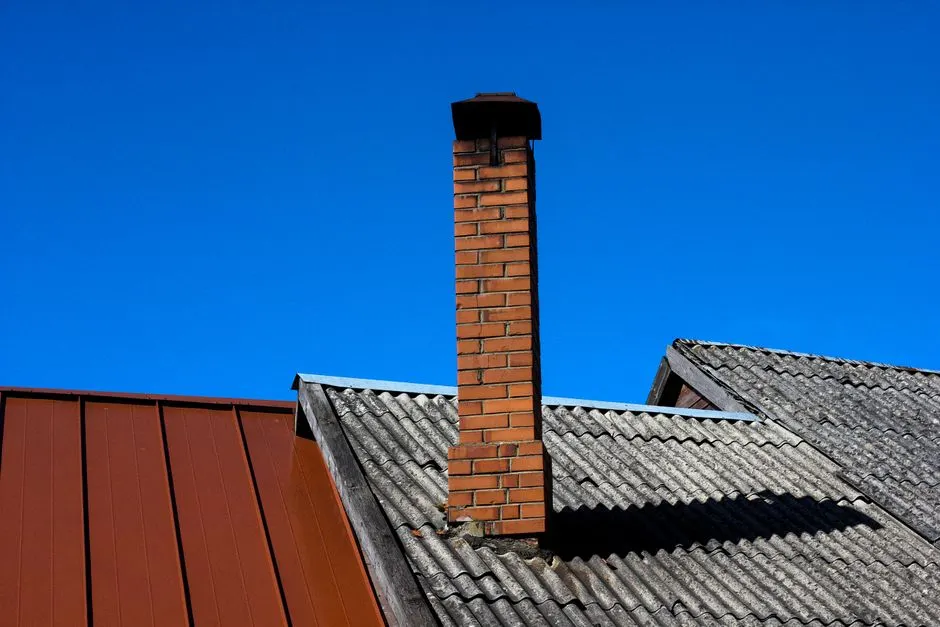
What Chimney flashing repair in Freehold, New Jersey involves
Chimney flashing repair in Freehold, New Jersey is the work of resealing the metal that joins your chimney to the roof plane. That means the step flashing tucked into the brick courses, the base flashing at the roof deck, and the counter-flashing set into a mortar joint. We pull the old sealant, grind out failed joints, cut new metal to fit, and set it with a masonry trowel and jointing tool so water sheds instead of pooling. Most repairs take two to four hours.
Freehold sits in a freeze-thaw corridor, and that is what kills flashing here. Water works into a hairline gap in January, freezes overnight, and pries the metal up by March. Add 30-plus years of original flashing on homes around Freehold Borough and Freehold Township and you get the classic call: a brown ring on the ceiling after a hard rain. If you need chimney leak repair Freehold New Jersey, that stain is your first clue, not your last.
Why Freehold homeowners fix flashing first
Flashing is the cheapest part of the chimney to fix and the most expensive to ignore. Here is what a proper repair buys you.
Stops leaks at the source
Most chimney leaks we open up in Freehold trace back to flashing, not the crown or the flue. Sealing that joint correctly ends the drip within one rain cycle. You stop replacing stained drywall every spring and start spending that money on something else.
Protects the roof deck
Water that slips past flashing soaks the sheathing and the framing around the chimney chase. Left alone for two winters, that rot runs $1,800 to $4,000 in carpentry. A flashing repair at a fraction of that cost keeps the deck dry and the structure sound.
Keeps mortar and brick intact
Constant moisture at the roofline drives spalling brick and crumbling mortar joints. We rebuild the flashing seal and repoint the surrounding joints with tuckpointing mortar so the brick above the roofline stays whole. That saves you a masonry rebuild later.
Passes inspection and resale
Home inspectors in Monmouth County flag flashing every time it is lifted, rusted, or sealed with caulk. A documented repair with photos gives your buyer one less negotiating chip. It also satisfies the IRC chimney code requirements inspectors check at the roofline.
How our flashing repair process works
Five steps, one visit in most cases. Here is exactly what happens from the phone call to the final water test.
Roof inspection
We start on the roof, not in the living room. A video inspection camera goes down the flue while we check the step flashing, counter-flashing, chimney crown, and the shingle courses around the chase. You get photos of what we find and a written price before any metal comes off. Takes about 30 minutes.
Leak source confirmed
We separate flashing leaks from crown cracks, failed flue tile, and blocked flue problems. A garden hose test on the roof confirms the entry point. If the leak is actually a cracked crown or a damaged liner, we tell you that instead of selling you flashing you do not need.
Old flashing removed
Out comes the rusted metal, the failed caulk, and any tar patches from previous attempts. We grind the mortar joint clean with an angle grinder and a hammer and chisel, then vacuum the debris with a HEPA vacuum so nothing drops into your flue or onto your landscaping.
New flashing installed
We cut and bend new copper or stainless step flashing, set the base flashing into the roof deck, and tuck counter-flashing into a fresh mortar joint. Joints get sealed with ChimneySaver or SaverSystems sealant rated for the temperature swings we see here. This is the step that decides whether the repair lasts 5 years or 25.
Water test and cleanup
Before we leave, we run water over the repair for several minutes and watch the ceiling side. If it stays dry, we photograph the finished work, clean the roof and gutters, and walk you through what we did. Most jobs wrap in two to four hours.
Why Freehold calls us for Chimney flashing repair
We are a local chimney shop, not a roofing crew that dabbles in chimneys. That difference shows up in how the repair holds up after two winters.
We find the real leak
Roughly a third of the chimney leaks we inspect in Freehold turn out to be crown cracks or failed flue tile, not flashing. We test with water before we quote, so you are not paying for metal you did not need. If it is flashing, we say so. If it is not, we say that too.
Metal bent to your chimney
We cut and bend copper and stainless flashing on site to match your brick course height and roof pitch. Pre-formed kits from the box store never sit right on older Freehold chimneys. Custom metal is why our repairs hold through the freeze-thaw cycles that destroy caulk-only patches.
Five-year workmanship warranty
Every chimney flashing replacement Freehold New Jersey job we complete carries a five-year workmanship warranty on the metal and the seal. If water finds its way back in through our repair, we come out and make it right. That is a straight answer, not a marketing line.
Same-day and 24/7 options
Active leaks do not wait for a convenient appointment. We offer same day chimney flashing replacement Freehold when the schedule allows, and 24/7 Chimney flashing repair Freehold New Jersey for storm damage and emergency calls. Call (844) 803-5147 and we will tell you honestly how fast we can get there.
What our flashing repair service includes
Every flashing job we do in Freehold covers the full water path, not just the visible metal. Here is what is included in a standard repair, and what we quote separately if your chimney needs it.
What's Included
Full roof-level inspection
We check step flashing, base flashing, counter-flashing, the crown, the cap, and the shingle courses around the chase. A video inspection camera goes down the flue to check for water damage inside. You get photos and a written scope before we start.
Old flashing removal
Rusted metal, failed caulk, and tar patches all come off. We grind the mortar joint clean with an angle grinder and clear debris with a HEPA vacuum so nothing ends up in your flue or your garden beds.
Custom-bent copper or stainless
We cut and bend new step flashing and counter-flashing on site to match your brick course height and roof pitch. Copper and stainless both outlast the galvanized metal that fails on most Freehold chimneys after 20 to 30 years.
Mortar joint reset
Counter-flashing gets tucked into a fresh mortar joint packed with tuckpointing mortar. This is the detail that separates a repair that lasts from a caulk patch that fails in one winter. We let it cure properly before the final water test.
Water test and photo report
We run water over the repair for several minutes and watch the interior side before we leave. You get a photo report of the finished work and a five-year workmanship warranty on the metal and the seal.
Chimney problems we solve for Freehold homeowners
Most of the calls we get in Freehold come down to a handful of problems. Here are the ones we fix most often, and what happens if you leave them alone.
Ceiling stains that reappear after every hard rain
Each rain cycle pushes more water into the drywall, insulation, and framing. Left through two winters, that means $1,800 to $4,000 in carpentry and interior repairs.
We hose-test the roof to confirm the entry point, then repair or replace the flashing at that joint. Most ceiling leaks from flashing stop after one visit, and we photograph the repair so you can track it through the next storm season.
Rusted or lifted step flashing on older chimneys
Galvanized flashing from the 1980s and 1990s is at the end of its life across much of Freehold Borough. Once it lifts, water runs straight down the chase and into the house.
We cut out the failed metal and install custom-bent copper or stainless step flashing sized to your brick courses. Copper lasts decades longer than the original galvanized metal, which is why we use it on most full replacements.
Caulk patches that fail within a season
Caulk cannot bridge the movement between brick and metal through a New Jersey freeze-thaw cycle. It cracks by February and the leak returns, usually worse than before.
We reset the counter-flashing into a proper mortar joint with tuckpointing mortar, then seal with ChimneySaver or SaverSystems products rated for exterior temperature swings. That is a mechanical seal, not a surface patch.
Water damage spreading to the crown and flue
A flashing leak that runs for years cracks the crown, spalls the brick, and can damage a clay flue tile or stainless steel liner. What started as a $400 repair turns into a $3,000 restoration.
We inspect the crown, brick, and liner during every flashing job and flag anything that needs attention. If the damage is already there, we quote crown repair, tuckpointing, or relining in the same visit so you can plan the work.
When Freehold homeowners call us for flashing
A brown water stain appeared on the ceiling after a nor'easter and keeps growing with each storm.
We inspect the roof, hose-test the flashing joint, and repair or replace the failed metal. If the crown or liner is also compromised, we quote that work in the same visit instead of leaving you with a half-fixed chimney.
The stain stops spreading after the next rain, and you have photos and a written scope for your records or your insurance claim.
A home inspection flagged lifted flashing two weeks before closing on a house in Freehold Township.
We schedule the repair within days, replace the step and counter-flashing with custom-bent copper, and send a photo report the same afternoon. The report documents the repair for the buyer's attorney and the lender.
The inspection objection clears, the closing stays on schedule, and the new owner starts with flashing that will hold for decades.
A chimney sweep noticed water staining inside the flue during a routine cleaning in West Freehold.
We run a video inspection camera down the flue, find the entry point at the flashing joint, and repair it before the damage reaches the liner. The sweep and the repair happen in one coordinated visit.
The flue stays dry, the liner is saved, and the annual maintenance visit catches the next issue before it becomes a repair.
Storm damage tore flashing loose and water is actively running into the house on a Sunday night.
Our 24/7 line walks you through shutting the damper and limiting the water, then a technician arrives to tarp and stabilize the chimney. We return with the right metal and mortar to finish the permanent repair.
The active leak stops the same night, and the permanent flashing repair is completed within days instead of weeks.
Tools and methods we use on every flashing job
Tools & Equipment
Video inspection camera
Goes down the flue to check for water damage to the clay flue tile or stainless steel liner before we close up the roof work. It catches problems a roof-level look would miss.
Angle grinder and hammer and chisel
Used to grind out the failed mortar joint above the counter-flashing and chip away old sealant. A clean joint is what lets the new mortar and metal seal properly.
Masonry trowel and jointing tool
Packs tuckpointing mortar into the counter-flashing joint and finishes it to match the surrounding brickwork. The jointing tool gives the mortar a profile that sheds water.
HEPA vacuum and drop cloth
Captures mortar dust and metal shavings so nothing drops into the flue or onto your roof, gutters, or landscaping. We leave the site cleaner than we found it.
Chimney brush and rods
Used when the flashing repair is paired with a sweep. We clear creosote buildup and check the flue walls for water staining on the way down.
Copperfield and HomeSaver flashing materials
Copper and stainless sheet stock we cut and bend on site. These brands hold up to the freeze-thaw cycling that destroys thinner galvanized metal in this climate.
Methods
NFPA 211 clearance verification
Before we finish, we confirm the chimney meets NFPA 211 clearance requirements at the roofline and that the flashing repair has not altered any required separation. This matters for insurance and for future inspections.
IRC chimney code compliance
Our flashing details follow the IRC chimney code for counter-flashing height, metal thickness, and joint sealing. Inspectors in Monmouth County check these details, and we build to pass on the first look.
Hose test before and after
We run water over the suspect joint before we quote and over the finished repair before we leave. It is the only honest way to confirm the leak source and the fix, and it takes about 10 minutes each time.
CSIA Certified Chimney Sweep practices
Our technicians follow CSIA Certified Chimney Sweep inspection and documentation standards on every visit. That means a consistent checklist, photos of what we find, and a written scope before work begins.
How flashing repair runs in Freehold specifically
Freehold sits right in the New Jersey freeze-thaw belt, and that shapes every flashing repair we do here. Water works into a hairline gap on a 25-degree January night, freezes, and expands until the metal lifts off the brick. By March you have a leak. The housing stock makes it worse: 1920s brick chimneys around Downtown Freehold and Freehold Borough often still have original galvanized flashing that is 30-plus years past its service life. Newer builds in Raintree and Freehold Estates use thinner metal that corrodes faster near the coast-influenced humidity. We size every repair to the chimney in front of us, which is why we bend our own copper and stainless on site instead of using pre-formed kits. If you need affordable Chimney flashing repair in Freehold New Jersey, the honest answer is that a properly sealed joint costs less than the drywall repair you would need after one more winter. We also check the crown and cap on every visit, because those fail alongside flashing and drive the same ceiling stains.
Service Areas
Older brick chimneys with original galvanized flashing are common here. Most need full step and counter-flashing replacement rather than a patch.
1980s and 1990s construction with thinner flashing metal. We see corrosion at the base flashing joint more often than lifted step flashing in this neighborhood.
Larger lots with mature trees mean more debris in the flashing joint and gutters. We clear the joint fully before setting new metal.
Roof pitches here vary widely, so we bend each piece of step flashing to match the actual slope rather than a standard angle.
Newer builds with metal chimney systems that need different sealants and flashing details than masonry chimneys. We carry both material sets on the truck.
Local Considerations
Freeze-thaw cycling from December through March
Water expands inside hairline gaps and pries flashing away from the brick. Repairs done in fall hold better because the seal cures before the first hard freeze.
Summer humidity and driving rain from the southeast
Wind-driven rain finds the weakest joint on the exposed side of the chimney. We check all four sides, not just the one with the visible stain.
Aging galvanized flashing on pre-1990 homes
Most of these chimneys need full replacement rather than a patch. We confirm with a hose test and show you the rusted metal before quoting.
Tree cover and leaf debris in older neighborhoods
Debris traps moisture against the flashing joint and speeds corrosion. We clear the joint and the surrounding roof area as part of every repair.
Lifted step flashing on a 1960s brick chimney
A Freehold Borough homeowner had a ceiling stain that returned every storm for two years. Two prior companies had caulked the joint twice. The step flashing on the north side had lifted about a quarter inch and the mortar joint above it was crumbling.
We removed the failed metal, ground the joint clean, and installed custom-bent copper step and counter-flashing set in fresh tuckpointing mortar. A 10-minute hose test showed no water entry. The stain has not grown through two storm seasons.
Maintenance & Follow-up
We recommend a roof-level flashing check each fall and a breathable water repellent on the brick above the roofline every three to five years to slow the freeze-thaw damage.
A Raintree homeowner noticed water dripping inside the chase during heavy rain. The base flashing at the roof deck had rusted through in two spots, and the surrounding shingles were saturated. The chimney crown was also cracked from years of moisture.
We replaced the base and step flashing with stainless, repaired the crown with chimney crown mix, and repointed the joint above the counter-flashing. Total job took about five hours. The chase has stayed dry through the following winter.
Maintenance & Follow-up
An annual inspection of the crown and flashing joint keeps this repair working. We also recommend keeping the gutters clear so water does not back up under the shingle courses.
A nor'easter tore the counter-flashing loose on a West Freehold home and water was running down the chase into the attic. The homeowner called on a Sunday night. We walked them through closing the damper and limiting the water, then tarped the chimney Monday morning.
We returned Wednesday with copper stock, rebuilt the counter-flashing joint, and replaced the damaged step flashing on the windward side. The attic stayed dry through the next rain. The whole permanent repair was done within four days of the call.
Maintenance & Follow-up
After storm damage, we check the flashing and crown once more at the six-month mark. A quick look after the first hard freeze catches any movement before it becomes a leak.
How much does Chimney flashing repair cost in Freehold New Jersey?
Most flashing repairs in Freehold run $350 to $900 in 2026, depending on chimney size, roof pitch, and whether we are replacing step flashing only or the full counter-flashing system. Full chimney flashing replacement with custom-bent copper typically lands between $700 and $1,400. We quote from the roof after inspection, and the price you get is the price you pay.
Why is my chimney flashing leaking in Freehold?
Freeze-thaw cycles are the usual culprit. Water seeps into a hairline gap in the metal or the mortar joint, freezes overnight, and expands until the flashing lifts away from the brick. Rusted steel flashing from the 1980s and 1990s is the second most common cause. Once the metal separates, every hard rain runs straight down the chase and shows up as a ceiling stain.
Who does chimney flashing replacement near me in Freehold New Jersey?
We do. Voltira Labs has handled chimney flashing replacement in Freehold and across Monmouth County since 2021, working on brick, stone, and metal chimneys. We bend our own copper and stainless flashing on site, follow IRC chimney code and NFPA 211 clearances, and back the work with a five-year workmanship warranty. Call (844) 803-5147 to schedule.
Can chimney flashing repair stop roof leaks in Freehold?
Yes, when flashing is the actual source. We confirm that with a hose test on the roof before quoting, because crown cracks, damaged liners, and blocked flues also cause ceiling leaks. If the water is entering at the flashing joint, a proper repair stops it in one visit. If it is coming in somewhere else, we tell you what the real fix is.
Credentials and reviews
Certifications
Reviews
Voltira diagnosed our chimney leak in about 20 minutes when two other companies had guessed wrong. It was the flashing, not the crown. They bent new copper on site and the ceiling has been dry through two storm seasons. Fair price and no upselling.
We needed flashing replacement before closing on our Freehold house. They fit us in within days, sent photos of the finished work the same afternoon, and the report satisfied our buyer's attorney. Smooth from start to finish.
Called on a Sunday with water coming down the chase. They talked me through shutting the damper and had a tech out Monday morning. Fixed the flashing and a cracked crown in one visit. Price matched the quote exactly.
Honest assessment. They told me my flashing had another season left and did not push a replacement. When it finally went, they were the first call I made. That kind of straight talk is rare.
Related Services
Chimney Repair Near Me
When flashing damage turns out to be one part of a bigger problem, our general chimney repair service covers crowns, mortar, liners, and caps in one visit. Freehold homeowners use it when the inspection turns up more than one issue at the roofline.
Chimney Repair Near MeChimney Masonry Repair
Flashing sits in a mortar joint, so the brick around it matters. We rebuild spalling brick and repoint joints with tuckpointing mortar before installing new flashing, so the metal has something solid to seal against instead of crumbling masonry.
Chimney Masonry RepairChimney Crown Repair
A cracked crown lets water into the same chase as failed flashing, and the two problems often show up together. We pour and seal crowns with chimney crown mix, then check the flashing joint while we are already on the roof in Freehold.
Chimney Crown RepairChimney Relining
Water that gets past flashing can damage a clay flue tile or a stainless steel liner over time. If the video inspection camera shows a cracked or deteriorated liner, we reline before the next burn season so you are not sending heat through a compromised flue.
Chimney ReliningChimney Cap Repair
A missing or bent chimney cap lets rain straight down the flue and makes a flashing leak look worse than it is. We repair and reseat caps with the same care we give flashing, and we check the damper while we are up there.
Chimney Cap RepairChimney Maintenance
An annual visit catches lifted flashing before it becomes a ceiling stain. Our maintenance service includes a flashing check, crown inspection, creosote assessment, and damper test, so Freehold homeowners stay ahead of the expensive repairs.
Chimney MaintenanceFireplace Repair
Water damage from a flashing leak can rust a damper and warp firebox components. We repair fireboxes, dampers, and firebrick with refractory mortar so your fireplace stays safe and usable after the roof leak is fixed.
Fireplace RepairEmergency Chimney Repair
Storm-driven leaks and sudden flashing failures get priority scheduling. We tarp and stabilize the chimney the same day, then return with the right metal and mortar to finish the repair properly once the weather clears.
Emergency Chimney Repair24/7 Chimney Repair
Water pouring in at 2 a.m. does not wait for business hours. Our 24/7 line at (844) 803-5147 connects you to a technician who can talk you through shutting down the leak and schedule the repair for first light.
24/7 Chimney RepairChimney Leak Repair
Chimney leak repair is the umbrella service that includes flashing, crown, and cap work. We diagnose the actual entry point with a hose test and video inspection, then fix the source instead of sealing everything on the roof and hoping.
Chimney Leak RepairProfessional Chimney Repair
For chimneys with multiple problems, our professional chimney repair service bundles flashing, masonry, crown, and liner work into one coordinated job. It saves you multiple setup visits and keeps the whole roofline consistent.
Professional Chimney RepairChimney Inspection Service
Every flashing repair starts with an inspection. We use a video inspection camera down the flue and a full roof-level check of flashing, crown, cap, and brick, then give you photos and a written scope before any work begins.
Chimney Inspection ServiceChimney Cleaning Service
Creosote buildup and flashing leaks are separate problems, but they get found together. We sweep with a chimney brush and rods, vacuum with a HEPA vacuum, and note any water damage we see on the way down.
Chimney Cleaning ServiceChimney Restoration
Chimneys that have leaked for years often need more than flashing. Our restoration service rebuilds from the roofline up, replacing spalling brick, failed mortar, and damaged flashing as one project with a consistent finish.
Chimney RestorationChimney Liner Repair
A damaged liner is a fire risk, not just a leak risk. If flashing water has cracked clay flue tile or corroded a stainless steel liner, we repair or replace it to NFPA 211 standards before your next fire.
Chimney Liner RepairFireplace Restoration
When a long-running flashing leak has damaged the firebox, damper, or surround, fireplace restoration brings the whole assembly back. We rebuild with firebrick and refractory mortar and test the damper before we call it done.
Fireplace RestorationFireplace Installation
New fireplace or insert installs need the chimney flashing checked and often upgraded. We handle the roofline work so your new appliance vents correctly and the chase stays dry from day one.
Fireplace InstallationChimney Tuckpointing
Counter-flashing is set into a mortar joint, so the joint has to be sound. We grind out failed mortar and repack it with tuckpointing mortar before the metal goes in, which is what makes the flashing seal last.
Chimney TuckpointingChimney Waterproofing
After flashing repair, a breathable water repellent on the brick above the roofline slows the freeze-thaw damage that started the problem. We apply it once the mortar has cured, usually a few days after the repair.
Chimney WaterproofingChimney Mortar Repair
Crumbling mortar around the flashing joint is the most common reason a repair fails early. We cut out the loose material, rebuild the joint, and let it cure before setting new metal, so the seal has a solid base.
Chimney Mortar RepairChimney Sweep
Our sweep service clears creosote with a chimney brush and rods and inspects the flue with a video camera. It is the right time to catch water staining from a slow flashing leak before it reaches the ceiling.
Chimney SweepChimney Sweep Near Me
Freehold homeowners searching for a chimney sweep near me can book the sweep and a flashing inspection in the same visit. One trip up the roof, one report, no duplicate call-out fees.
Chimney Sweep Near MeChimney Cap Installation
A properly sized chimney cap keeps rain out of the flue and reduces the load on your flashing. We install stainless and copper caps from Olympia Chimney Supply and Selkirk that fit your flue dimensions exactly.
Chimney Cap InstallationResidential Chimney Repair
Almost all of our Freehold work is residential, from 1920s brick chimneys near Downtown Freehold to newer builds in Raintree. We size the repair to the house, not to a one-size-fits-all package.
Residential Chimney RepairBrick Chimney Repair
Brick chimneys take the worst of the freeze-thaw cycle. We repair spalling brick, rebuild damaged courses, and reseal the flashing joint so the brick above the roofline stops absorbing water.
Brick Chimney RepairRoof Chimney Repair
The roof-to-chimney intersection is where most leaks start. Our roof chimney repair service handles step flashing, base flashing, shingle repair around the chase, and the counter-flashing joint in one scope.
Roof Chimney RepairChimney Damper Repair
A rusty damper is often the first sign water got past the flashing. We repair or replace dampers and check the firebox for moisture damage while we are inside the chimney.
Chimney Damper RepairMetal Chimney Repair
Metal chimneys use different flashing details than masonry, and the wrong sealant will fail in one season. We repair metal chimney penetrations with the correct high-temperature sealants and matching metal.
Metal Chimney RepairSame Day Chimney Repair
When a flashing leak is active, we try to get a technician out the same day to stop the water. Same-day service covers temporary sealing, tarping, and the permanent repair once materials are on hand.
Same Day Chimney RepairGet Chimney flashing repair in Freehold, New Jersey this week
Every repair comes with a five-year workmanship warranty and a photo report of the finished work. If water is already showing on your ceiling, call now and we will get a technician on your roof before the next storm. Call (844) 803-5147.